By Howard Cooper —
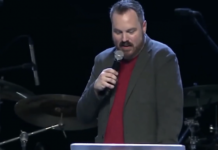
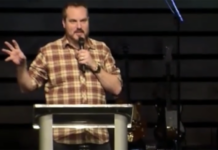
Only days before his tragic assassination in September 2025, conservative activist and Christian influencer Charlie Kirk traveled to South Korea, where he delivered a stirring message to thousands of young believers at the Build Up Korea 2025 conference in Seoul on September 5-6.
Tragically, just days after returning home, Kirk was fatally shot at a campus event in Utah on September 10, 2025.

In South Korea, amid fervent prayers, raised hands, and a powerful outpouring of support, Kirk expressed deep concerns about the state of the church in the once-vibrant Christian nation—warnings that now echo as a prophetic call to the US church in the wake of his untimely death.
Kirk, founder of Turning Point USA, spoke boldly about what he saw as an alarming assault on religious freedom and biblical values in South Korea. In interviews and speeches during the trip—his first and only to Asia—he highlighted government investigations, arrests of pastors, and threats against churches that dared to speak out on moral and political issues.
He pointed to cases like that of Pastor Son Hyun-bo, whom Kirk met personally during the visit. Pastor Son, leader of a large church in Busan, was later imprisoned by authorities for his resistance against COVID-era restrictions and public stands on family and faith issues, as reported on The Charlie Kirk Show and by his sons after Kirk’s death.

“Charlie met Pastor Son during that trip—it was one of the last people he encountered abroad,” noted Pastor Rob McCoy, who traveled with Kirk and later recounted the experience in interviews. “He was supporting persecuted Christians there, as churches were being raided and pastors imprisoned. He spoke to the youth, urging them to stand firm.”
Kirk’s message resonated deeply with attendees. He urged Korean Christians to return to biblical foundations—get married, have children, resist moral compromise, and stand against what he described as a “globalist menace” infiltrating even once-strong evangelical strongholds.
He expressed alarm over feminism, moral cowardice, and political pressures that he believed had weakened many churches, drawing parallels to challenges facing believers worldwide. In one poignant moment, the massive crowd bowed in prayer over Kirk, stretching out hands and asking God to protect him and use him to expand His kingdom.
His death sent shockwaves through South Korea’s conservative Christian community, galvanizing youth groups and prompting memorials where American flags waved alongside chants of his name.
Many saw his visit as a divine appointment—a final exhortation to a nation with the world’s lowest fertility rate and a church facing growing secular and governmental pressures.
“Charlie warned that South Korea was under attack—the same battles over faith, family, and freedom we face here,” McCoy reflected in a YouTube discussion following Kirk’s passing. “He wanted Americans—and Koreans—to stand up.”
Kirk’s concerns were not isolated. Reports from outlets like Bitter Winter and Chosun Ilbo have documented ongoing detentions of pastors and crackdowns on politically active churches under recent administrations.
Yet amid these trials, Kirk saw hope in the rising generation of Korean believers who embraced his call to revive biblical manhood, family values, and courageous faith.
As the global body of Christ mourns Kirk’s loss, his words from Seoul linger as a reminder: the church must not conform to the spirit of the age but stand boldly for truth. In a nation that once sent missionaries worldwide from its revival fires, Charlie Kirk’s final overseas plea may yet spark a new awakening—one that honors the God who first loved us and calls His people to fearless love in return.
Sources: The Charlie Kirk Show episodes (January 2026), Back to Jerusalem reports, Washington Post coverage of the Seoul events, Washington Times analysis, and eyewitness accounts from Pastor Rob McCoy and conference attendees.