By Meg Jones —
There’s a sacredness to first encounters. The first time you walk into a space that’s been soaked in prayer, crafted with intentionality, humming quietly with the Spirit—you can feel it in your bones. That’s how it felt stepping into The Ramen Shop for the first time. At least, that’s what Luke told me.
He called me right after his visit, voice lit up with wonder. “Have you been to the Ramen Shop yet?” he asked. “it’s different. I felt peace. Like, tangible peace. What they are doing here is incredible.”
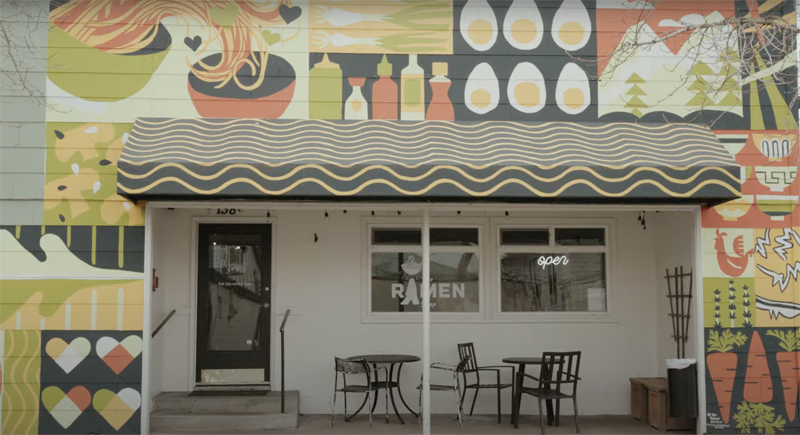
He wasn’t just talking about the interior (which is, in itself, something beautiful—muraled walls, warm lighting, quiet hospitality that says “you’re welcome here” without a word). He meant something deeper. He was talking about the people. The atmosphere. The table fellowship.
Because here’s what he saw: a diverse, even unlikely gathering. Elderly women sharing lunch and laughter. Teenagers on their school break. A few folks whose lives have clearly been hard—some experiencing homelessness. All in the same room. All eating the same meal. All treated with the same dignity.
There was no hierarchy in the air. No lines drawn between the have’s and the have-not’s. It was like a soup kitchen, but not. It carried the heart of one, but with more beauty, more dignity. More choice.
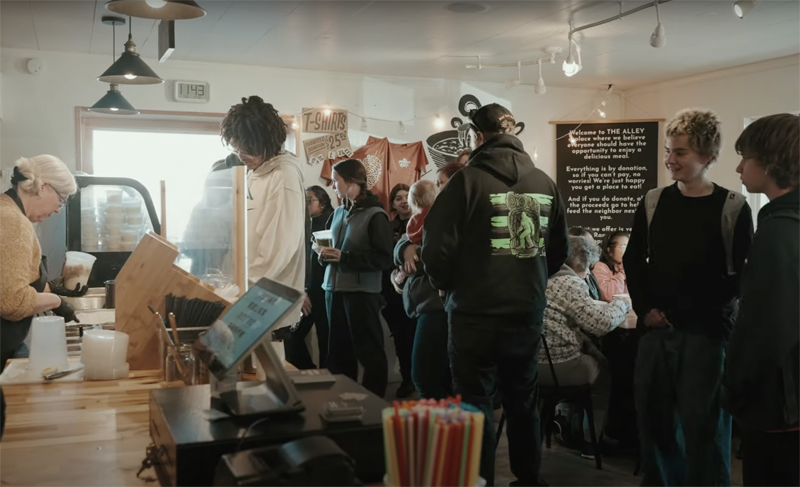
And that’s a holy thing—when those who are usually pushed to the margins are pulled into the center and given the same options as everyone else, something deeply important happens.
I remember once meeting a man outside a grocery store who was asking for food. He was hungry, tired, and clearly had lived too long without kindness. He pointed to the expensive Asian place across the street and asked for a meal from there. I offered him a sandwich instead—from a shop nearby.
And he lost it. “No more sandwiches,” he said. “No more chili. No more sloppy joes or hot dogs or mac and cheese. I’m sick of being handed stuff I didn’t choose. I’m sick of soup with stuff I don’t like in it.”
At the time, I bristled. It felt ungrateful. Entitled, even. But if I’m honest, as I sit with that memory long enough, there’s a deeper truth underneath his words. A raw, desperate cry to be treated like a person—with preferences. With agency. With a will.
And that’s what makes this Ramen Shop different.
Here, everyone gets to choose. Toppings. Broth. Protein. Grains. Greens. It may sound simple, but when you’ve had your choices stripped away, getting to choose what goes into your bowl of soup or rice is a quiet revolution. A return of human dignity. A reminder that the Imago Dei lives in you too.
And then there’s the way you pay.
Or don’t.
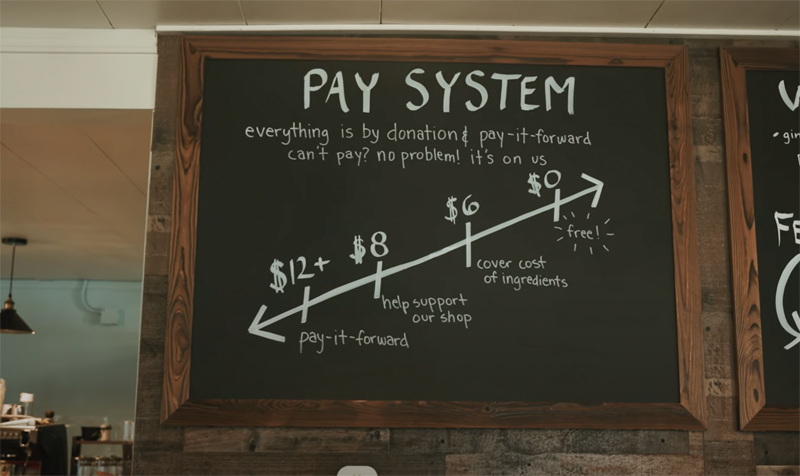
Pay what you can. That’s what the sign says. There’s a suggested range—from free, to “pay it forward.” And it’s not just marketing fluff. It’s real. I’ve been there many times now, and every time I approach the register, the cashier—without pretense—asks, “Are we donating today?” The tone is light. Gentle. Zero pressure. All grace.
That, too, feels like the Kingdom of God breaking in.
And then there’s the food. Nutritious. Thoughtfully made. Colorful. Alive. I’m on a bit of a health journey myself, and I was stunned by the freshness—veggies, grains, proteins—all prepared in a way that honors the body, the temple of the Holy Spirit. You walk out not just full, but nourished.
Now, you might be wondering—how is this even possible? I mean, ramen doesn’t exactly grow on trees. There’s rent to pay. Ingredients to buy. Bowls to wash. And yet… it works.
Here’s how: the entire operation runs on the quiet, faithful work of volunteers. A handful of people showing up, week after week, to serve—not for a paycheck, but out of love & obedience.
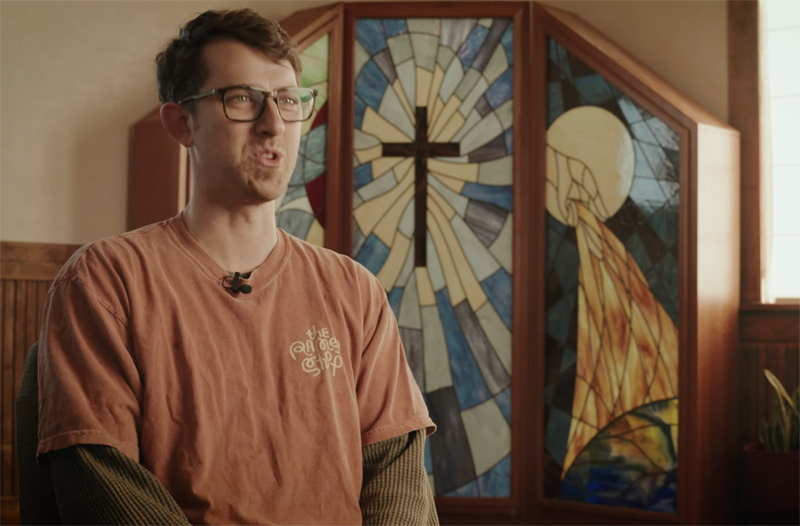
There are only two paid staff: a manager, and a cook—who also happens to be the pastor of the church that birthed the Ramen Shop in the first place. Which feels fitting, doesn’t it? A pastor in the kitchen, feeding people body and soul.
And the food? It’s all funded by patrons who are able to pay. Some give what they can. Others give more. Some pay it forward for the next person in line.
It’s an economy of grace. A modern-day loaves and fishes story.
And it’s become one of the most beautiful gifts to this city.
But here’s the thing: food aside, design aside, what really struck me—what lingered long after I left—was the presence. The weighty kind. The kind that can’t be engineered or marketed. The kind that comes when Jesus is quietly welcomed into a place and given authority over it.
The building feels prayed over. Covered. Protected. Blessed.
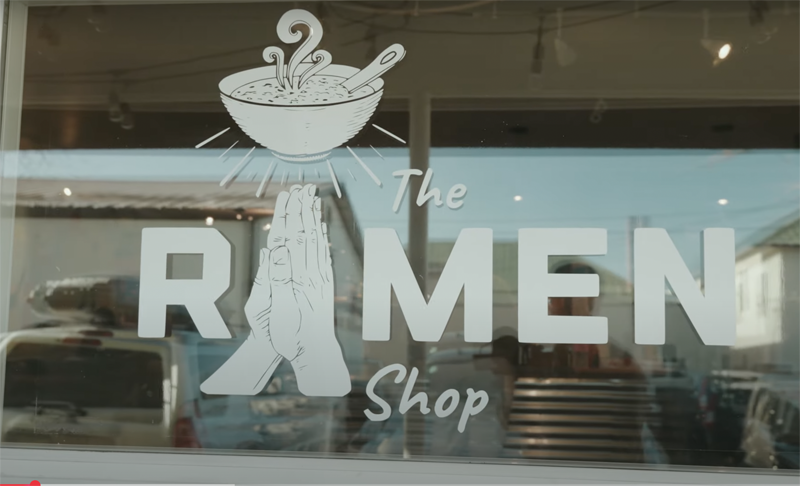
And I think that’s what Luke felt that first time he set foot in there. It’s what I feel too whenever I come in for a meal.
Because it’s not just a restaurant.
It’s a sanctuary with soup bowls.
A temple where dignity is restored.
A table that whispers: you belong.
To know more about the Ramen Shop click here
To learn more about No Shortage, go here