By Mark Ellis –
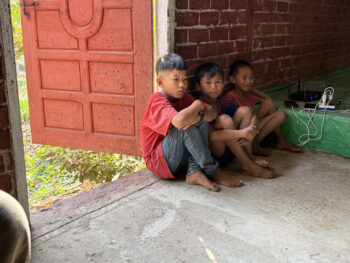
I had not visited Myanmar (also known as Burma) since 2019, due to Covid and the ongoing civil war. But I was told that Yangon, the capital, was safe to visit, and I was aching to return to the field of mission I left behind.
Myanmar has experienced ongoing armed conflict since its independence from British colonial rule in 1948. The first shots of what became the civil war were fired a few months after independence, when the Communist Party of Burma (CPB) launched an insurgency in what is now the Bago Region.
This makes the conflict approximately 78 years old, and it is widely regarded as the world’s longest ongoing civil war, spanning nearly eight decades with no full resolution.
After independence, ethnic minority groups (e.g., Karen, Shan, Kachin, Chin, Mon, and others) joined the fighting, taking up arms against the Burman-dominated central government, demanding greater autonomy or independence. This stemmed from unresolved ethnic tensions, promises of participation in the government that were not fully honored, and fears of marginalization by the majority Bamar population.
The civil war has ebbed and flowed, but the most recent phase ignited when the military overthrew the elected government on February 1, 2021, triggering mass protests, a violent crackdown, and the formation of the People’s Defense Force (PDF) allied with other ethnic groups.
Tens of thousands have died in the war since 2021 alone.
In 2015, during a relative period of calm, a small group from our church adopted an unreached people group in Myanmar/Burma, and on my last visit in 2019 we had seen God answer our prayers, with the establishment of a small house church amidst this tribal group that had never seen a Christian church in their midst.
But I soon learned upon my return this year that the war had claimed our little house church, which was situated close to the most intense fighting, and the believers had been scattered. Our pastor had vanished, and we don’t know if he is alive or dead.
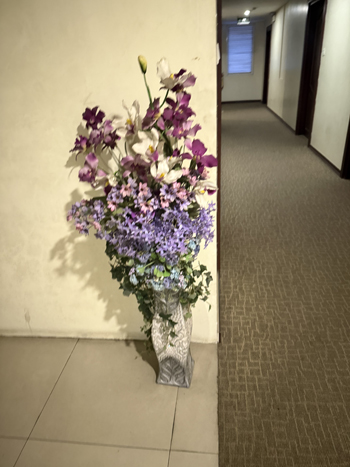
I stayed in the same hotel in Yangon that I stayed in previously. It was probably a two or three-star hotel at best before the civil war and covid, but the intervening years had not dealt kindly with it. There were many signs of deferred maintenance and a lack of adequate staffing.
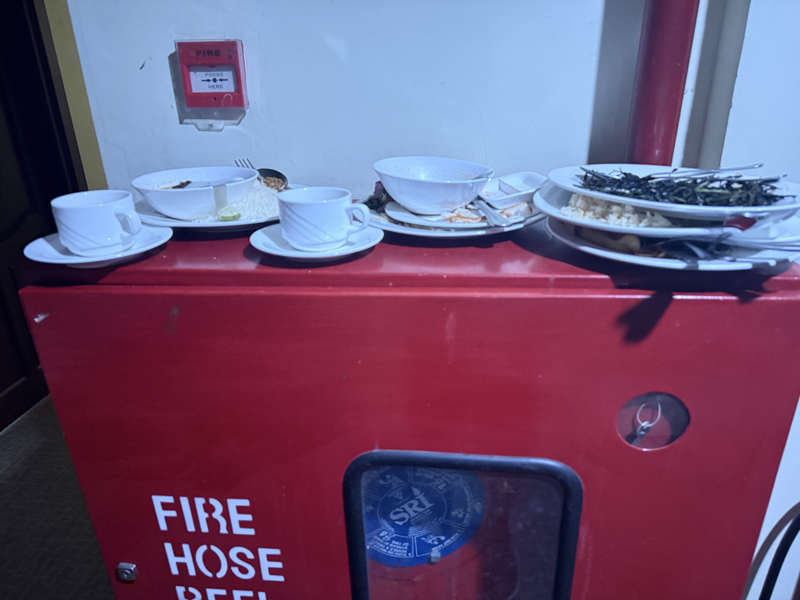
Plates of food left over from room service sat out in the hall for days and were never picked up. Hot water was scarce. Over my four-day stay, I only had hot water one morning when I showered and shaved.
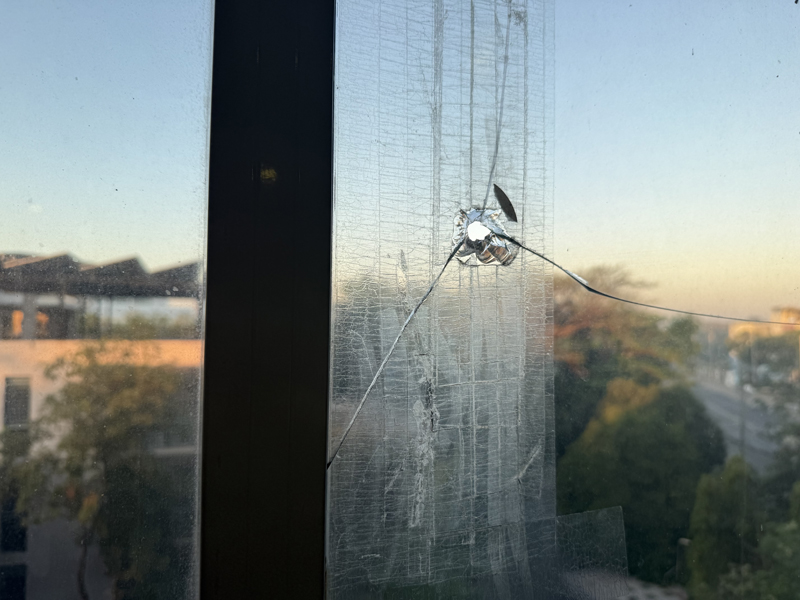
There was a bullet hole in the window of my room, which had not been repaired, but a tissue had been stuffed into the hole.
The days averaged about 90 degrees, and it was still warm at night, so I separated the duvet cover (sheet) from the quilt inside. When I pulled the sheet off, I noticed the quilt was covered with ugly stains and had probably never been laundered.
Also, the elevator broke down mid-floor with me riding alone in it. The instructions inside were all in Burmese, and there did not appear to be any emergency call button. Thankfully, the elevator slowly descended into the basement garage, and I was able to pry the doors apart with my hands and escape.
The elevator never was repaired after several days when I checked out. Perhaps that repair company or its employees are victims of the fighting or have left the country.
I should not have been surprised by the deterioration of our hotel. After all, how many tourists or businesspeople have been traveling to Myanmar during the war? My first clue was at the airport. When I cleared customs and immigration, there could not have been more than 10 people waiting to enter the country.
Contrast that with the scene I witnessed a week later at the airport in Bangkok, with thousands lined up to enter from all over the world, especially Europeans.
In the capital city of Yangon, Myanmar, life goes on relatively normally. I was told there has been much improvement in this regard in the last year or two, with far fewer military checkpoints throughout the city impeding traffic.
I wanted to go up to Myitkyina, which is closer to the people group we’re attempting to reach. I was told it was safe to go there, but I would have to travel alone (and without a translator). I chose not to go, but instead to fly a key evangelist and church planter down to the capital to meet me there. This was God’s providence, because a drone strike hit the Myitkyina airport the day before I would have flown out, which closed the airport for several days.
As I pondered the deteriorated condition of my hotel, God convicted me about my attitude. I was viewing the hotel through the inflated expectations of American eyes, which have come to expect Marriott-like standards for lodging, certainly a high bar during a time of warfare in a developing country.
My expectation gap was nothing to be compared with the comedown when Jesus entered the world in a stable in Bethlehem, having left the glories of heaven for his rescue mission in the world. He never checked into a fancy hotel, and often didn’t have a place to lay his head at night.
The more I thought about it, His mission of mercy to the last and the least upended my haughty attitude about hotel standards.
Thank you Lord for letting me experience a tiny measure of the humble circumstances chosen by you to redeem humanity, from Jerusalem to Myanmar, and to the uttermost parts of the world.