By Stephen Barrett —
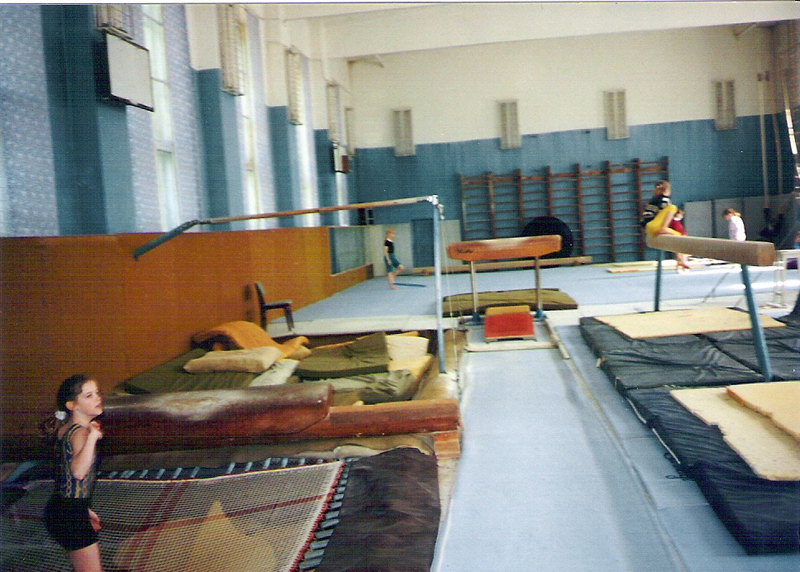
At the time of our arrival in Moscow as missionaries in 1992, our daughter Amelia was 13, Laura, 10, and Molly, 7. Molly and Laura both enjoyed gymnastics and asked me to find a club. I did, but before they could join, the coach insisted on interviewing my wife Cindi and me.
Coach Volodia, along with his wife Ludmilla, were cranking out Russian national champions and Olympians, but first they had to make sure our girls had the right genetics. After they met us and saw we were not too tall or overweight, they agreed to coach them.
As the best Russian gymnasts performed amazing routines that would have garnered a score of “10” in competition, the coaches barked out phrases like, “Filthy, terrible, a baby could do better! Do it again!” But when Laura or Molly did a simple handspring, the coaches gushed with praise. It was both embarrassing for our girls and demoralizing to the Russians.
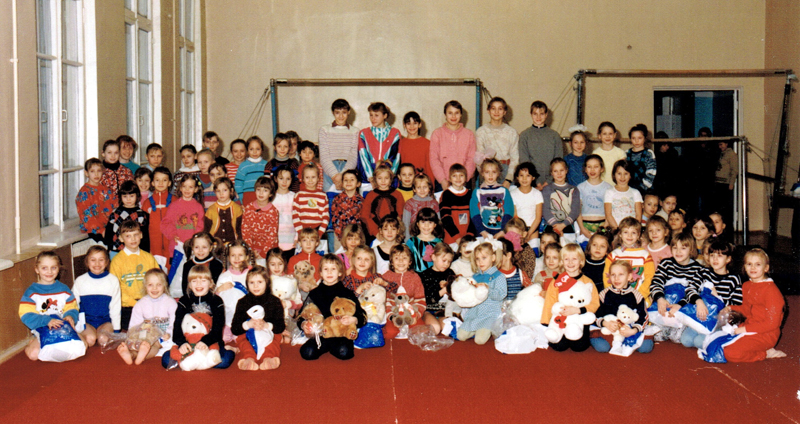
The coaches had somehow learned that American children needed positive reinforcement. Because we actually paid for lessons, Ludmilla and her husband were prepared to give them plenty of praise.
After six months, Volodia called me in for a private conference. I was worried the girls were being kicked out, but instead he confided in me, saying, “Ludmilla has cancer. It’s terminal, but to get (pay for) treatment I must go to the US, work as a coach, and send money home.”
Later in the summer, Ludmilla was admitted to Hospital #1 in the center of Moscow. I helped drive Ludmilla to the hospital and was shocked to see the cold, dark room where Ludmilla would likely spend the last weeks of her life.
The hospital didn’t provide bedding, so she brought sheets, a pillow, and a blanket from home. They also didn’t provide food, and the bathroom was located down the hall.
Ludmilla’s mother traveled 1000 miles by train from a village in Siberia to care for her only daughter. This poor woman took the subway every day, carrying food she had prepared in Ludmilla’s apartment, and sat faithfully by her daughter’s bed.
Once a week, Ludmilla went to her apartment with her mother so Ludmilla could shower. The apartment was on the third floor and the elevator was broken, so her mother helped Ludmilla climb the stairs. It all seemed so cruel, and yet Ludmilla never uttered a word of anger towards the system.
She was a proud Soviet citizen and believed in the way of life she had been taught. As an elite athlete who competed for her country, her pain tolerance was so high she didn’t recognize the signs of cancer. Thinking it was back pain, she ignored it as the cancer moved into her spine.
The normal practice for Russian doctors was to tell only the spouse that the patient was terminal, so Volodia knew Ludmilla wouldn’t live, but she did not.
When Ludmilla could barely walk, she began to receive morphine as she waited for death. At first, she didn’t seem to know the end was near, but as the weeks wore on, Ludmilla’s hope faded.
There was no radio or TV in her room, and she passed the point of being able to read books. I loaded our tiny TV and VCR into a large backpack and took them to the hospital to show her The JESUS Film.
The once proud woman who had been raised an atheist attentively watched the film. At the end, with tears flowing, Ludmilla prayed and asked Jesus Christ to be her Savior.
In the end, all Ludmilla wanted to do was go home to Siberia. The doctor gave Ludmilla enough morphine to make the flight home. When she left, we gathered on the sidewalk to wave. We knew we wouldn’t see her again and prayed she would make it home safely. One week later, we received word that Ludmilla had passed away peacefully.
If you want to know more about a personal relationship with God, go here
Excerpt from The Unlikely Missionary. To order the book go here